
By: Emmanuel Austin Baah
Senior Vice-President, BoxNation Magazine™️
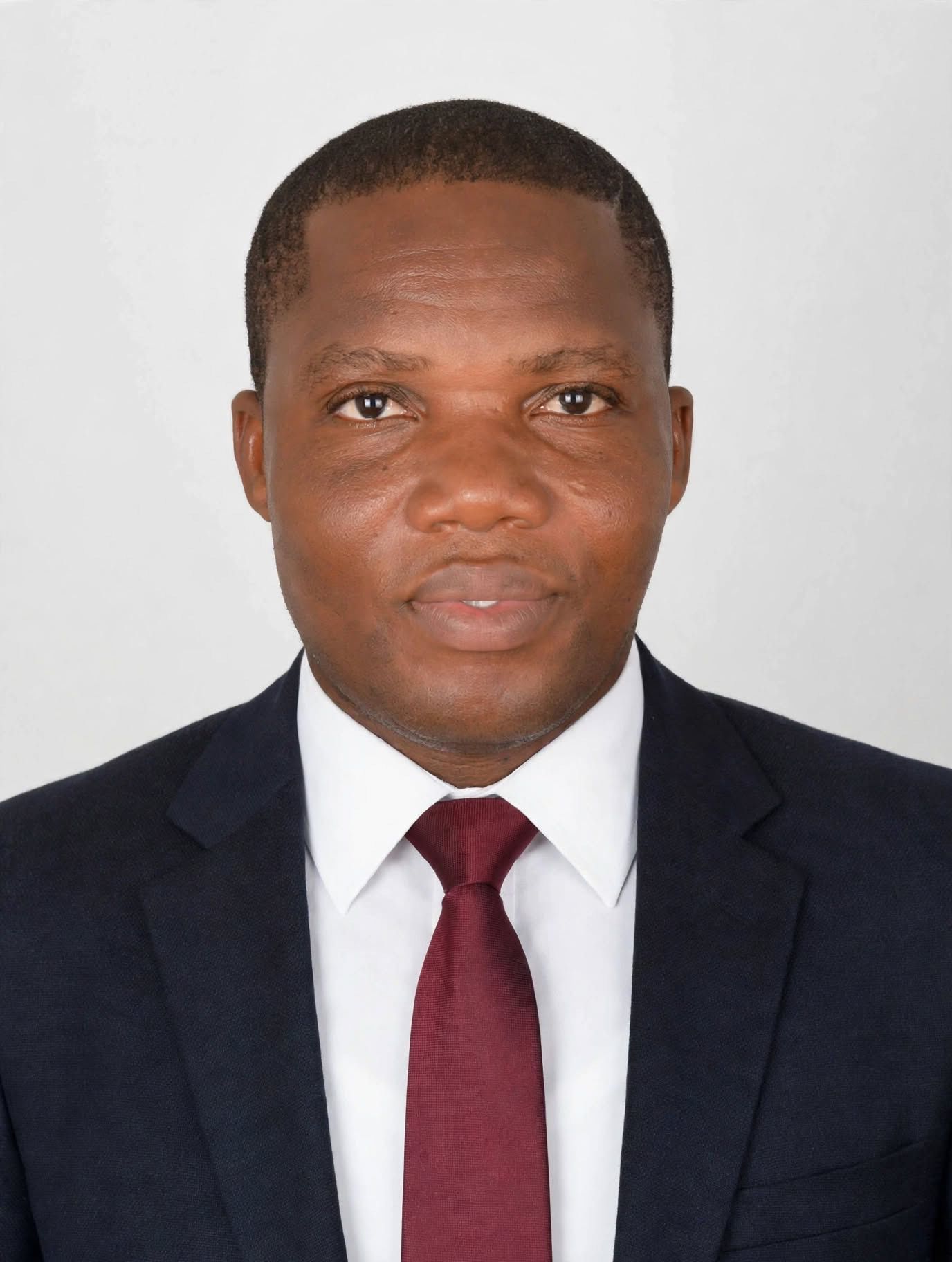
From the legendary gyms of Bukom to the bright lights of the international professional circuit, Ghana continues to produce fighters with the talent, courage, and competitive spirit to command attention far beyond Africa.
But the new generation faces a different challenge: turning individual promise into a sustainable boxing industry capable of producing world champions consistently.
Theophilus “Theo Lopez” Allotey’s recent victory over Argentina’s Facundo David Garcia in the WBA super-flyweight final eliminator has strengthened Ghana’s presence on the international scene. Allotey, who entered the contest as the WBA Africa Gold champion and ranked 15th by the WBA, preserved his unbeaten professional record with a unanimous decision after 12 rounds.
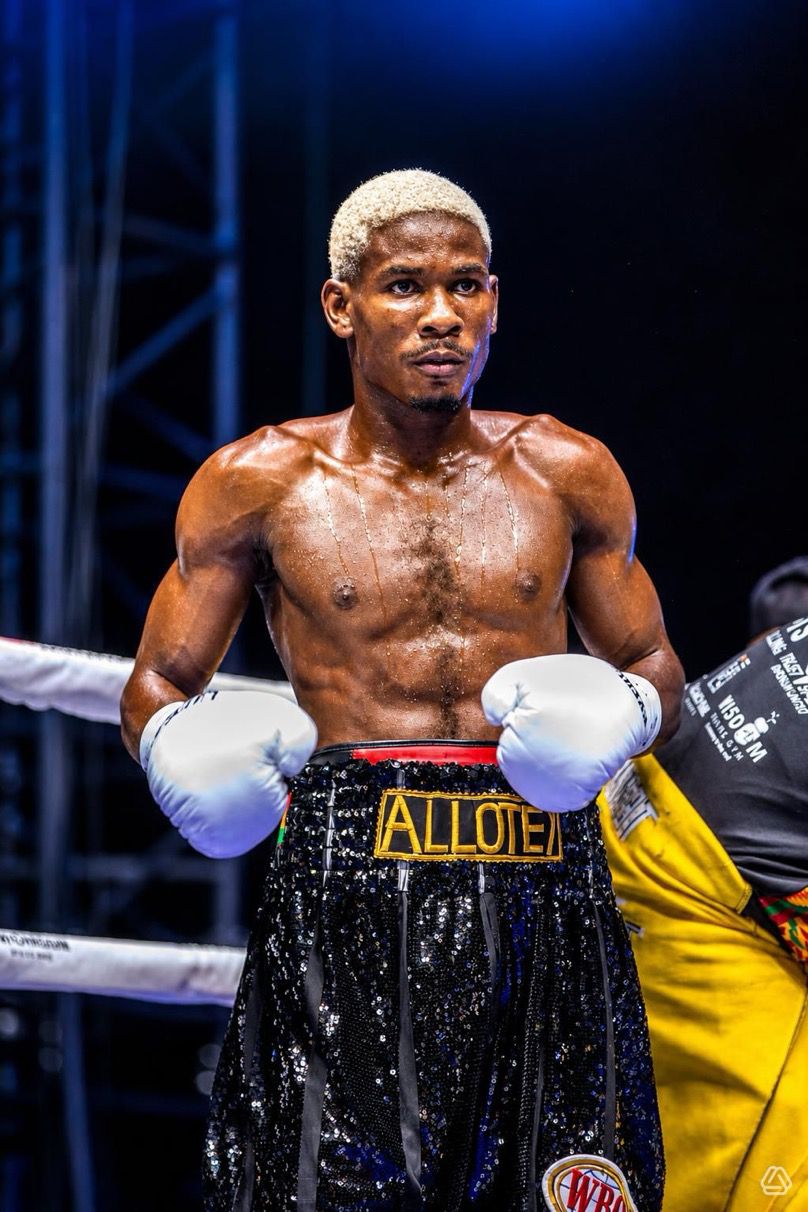
His victory is significant not merely because of the result, but because it represents the kind of international exposure Ghanaian boxers need if they are to progress toward world-title opportunities.
Another name demanding attention is Samuel Takyi.
The Tokyo 2020 Olympic bronze medallist continues to pursue his professional ambitions, and his recent appearance at the Osagyefo Fight Night in Accra provided another reminder of the depth of talent available to Ghanaian boxing.
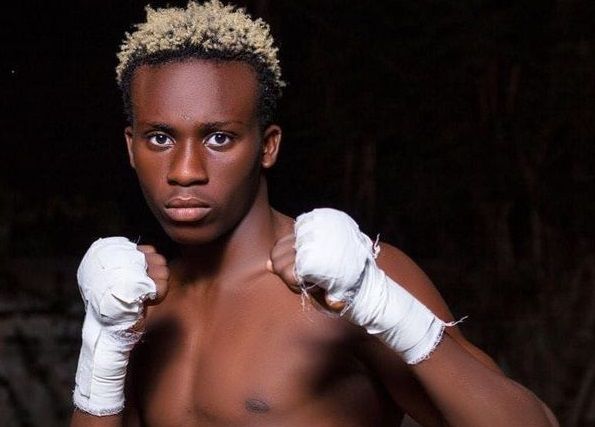
For decades, Bukom has been synonymous with Ghanaian boxing.
The area has produced generations of fighters who have carried the national flag into African, Commonwealth, Olympic, and world championship arenas. Yet Ghana’s boxing future cannot depend solely on its traditional centres.
The Ghana Boxing Federation’s 2026 National Individual Amateur Boxing Championship demonstrated that the talent pool extends well beyond Bukom, with 12 Greater Accra clubs participating and leading amateur prospects competing for places in the Black Bombers.
The Federation has also emphasized the importance of youth development and creating clear pathways through which promising amateurs can eventually progress into the professional ranks.
A boxer’s journey should not end with the discovery of talent. It should begin there.
Coaching, nutrition, medical care, sports science, international competition, management, promotion, and financial support must form part of a coordinated system.
The emergence of young professional fighters is another encouraging development.
PKO Boxing’s recent clean sweep at the Odwira Festival in Akropong saw Hamza Mohammed and Joseph Commodore record victories, while juvenile boxer Rahman Lokko also secured a win. Mohammed stopped John Oblitey Commey in the third round, while Commodore earned a second-round technical knockout against Sannie Kugbley.
Such events may not immediately produce world champions, but they provide something equally important: competitive experience.
Young fighters need regular opportunities to test themselves, learn from setbacks, and build professional records under responsible management.
The biggest conversation around Ghanaian boxing must therefore move beyond the ring.
Talent alone does not build a world champion.
A modern boxing ecosystem requires credible promotion, strong event organization, reliable sponsorship, transparent contracts, effective media exposure, and a clear pathway to international rankings.
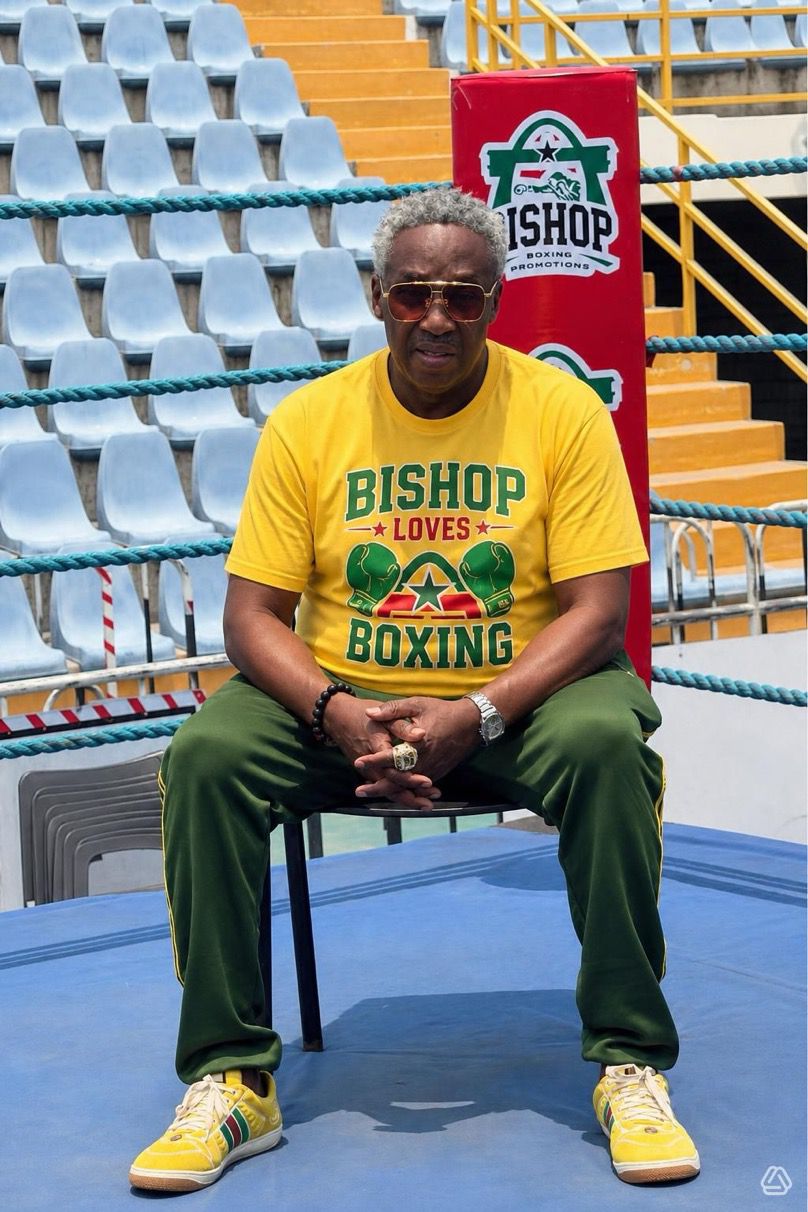
Recent developments within Ghana’s promotional landscape have also highlighted the financial pressures facing promoters. Bishop Boxing Promotions, for instance, recently explained that cancelled events, injuries, and other operational challenges had affected its finances and contributed to payment delays involving some fighters.
That experience underscores an important reality: professional boxing is not simply about putting two fighters in a ring.
Behind every contest lies an economic structure involving promoters, managers, trainers, venues, broadcasters, sponsors, and the boxers themselves.
For Ghana to compete consistently with the major boxing nations, that ecosystem must become stronger and more predictable.
Ghana has never lacked boxing history.
What it needs now is to convert that history into a sustainable future.
That responsibility belongs to the entire boxing fraternity — administrators, promoters, managers, coaches, boxers, government, corporate Ghana, and the media.
The country must continue identifying talent outside its traditional strongholds while strengthening the systems that support those athletes once they are discovered.
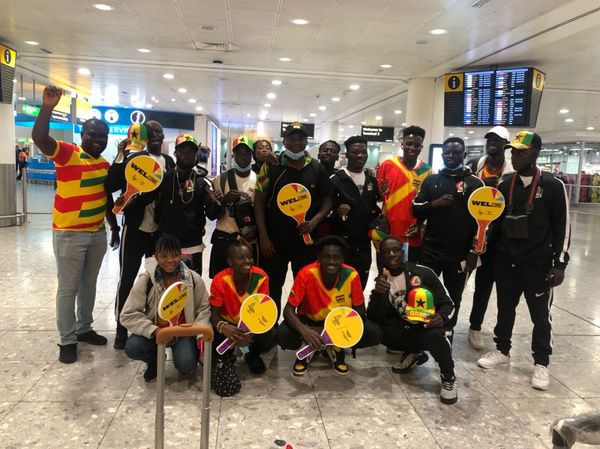
The Black Bombers need consistent international competition. Young boxers need structured development. Professional fighters need credible promotional pathways. Retired champions and experienced trainers need opportunities to transfer their knowledge to the next generation.
Most importantly, Ghanaian boxing must begin to see its fighters not simply as athletes who can win bouts, but as valuable sporting assets whose careers can contribute to the growth of an entire industry.
The real victory will come when Ghana builds a boxing system capable of producing champions long after the current generation has hung up its gloves.
From Bukom to the world, the talent is there.
The next chapter is about building the structure to match it.