
By: Dave Bishop, Editor-in-Chief| BoxNation Magazine
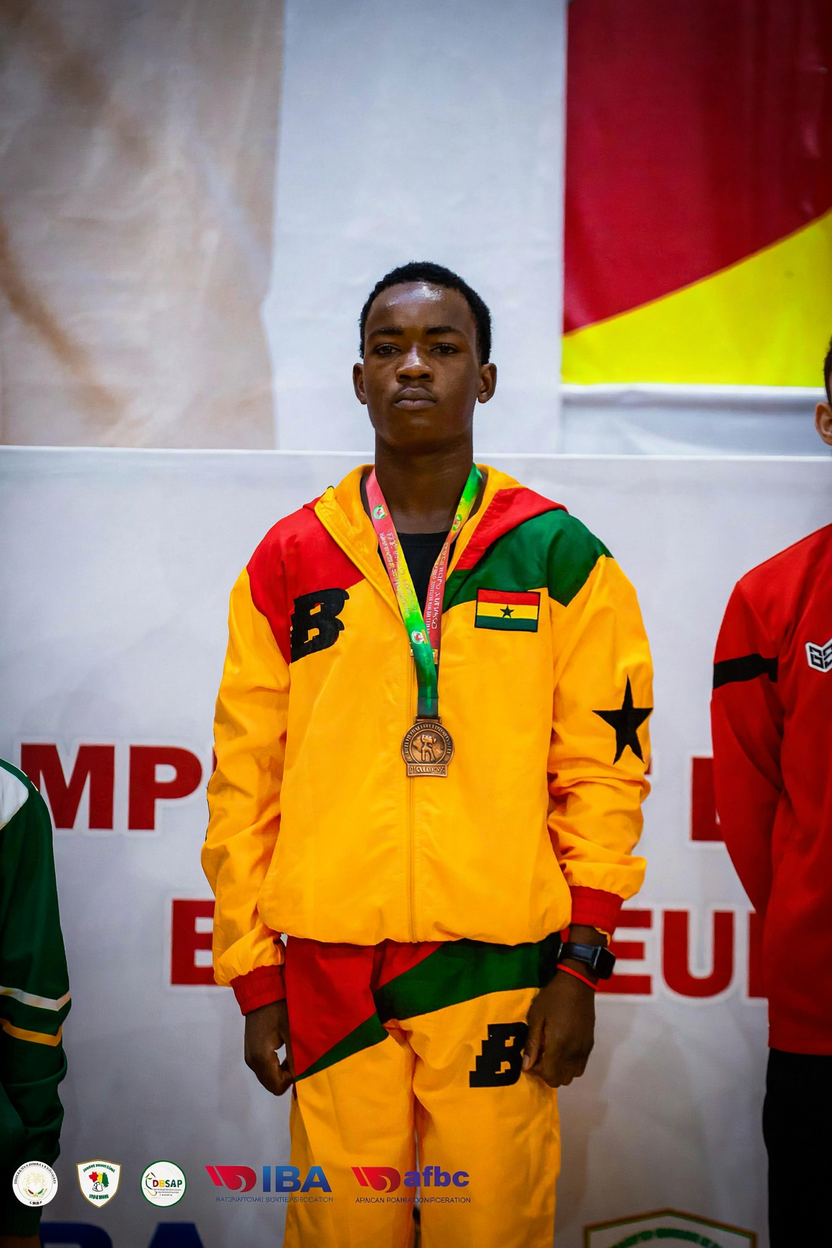
There was a time when the thud of a heavy bag in Bukom echoed louder than any political promise. When dawn roadwork along the coasts of Accra, Jamestown, and Chorkor was a rite of passage, not a relic. In that era, Ghana amateur boxing was not just a sport. It was a social rescue system.
Today we stand at a crossroads. Our professional scene still produces warriors, but the pipeline that fed it — the disciplined, sacred institution of amateur boxing is gasping for air. If we lose it, we lose far more than medals. We lose the one sport our youth needs and depends on.
Ghana does not have the luxury of letting amateur boxing die.
Bukom: More Than a Neighborhood
You cannot talk about Ghana boxing without bowing to Bukom. For over 60 years, this fishing community has done what no government program has replicated: taken boys with empty pockets and given them purpose, structure, and pride.
The amateur gyms of Bukom Attoh Quarshie, Bronx, Wisdom and Akotoku Academy were universities of character. A 12-year-old learned more than a jab. He learned to wake at 4:30 a.m., to run when his body screamed stop, to respect his coach like a father, to avoid drugs and street crime because he had a tournament in three weeks.
That is what amateur boxing gave Ghana: discipline where the system offered none.
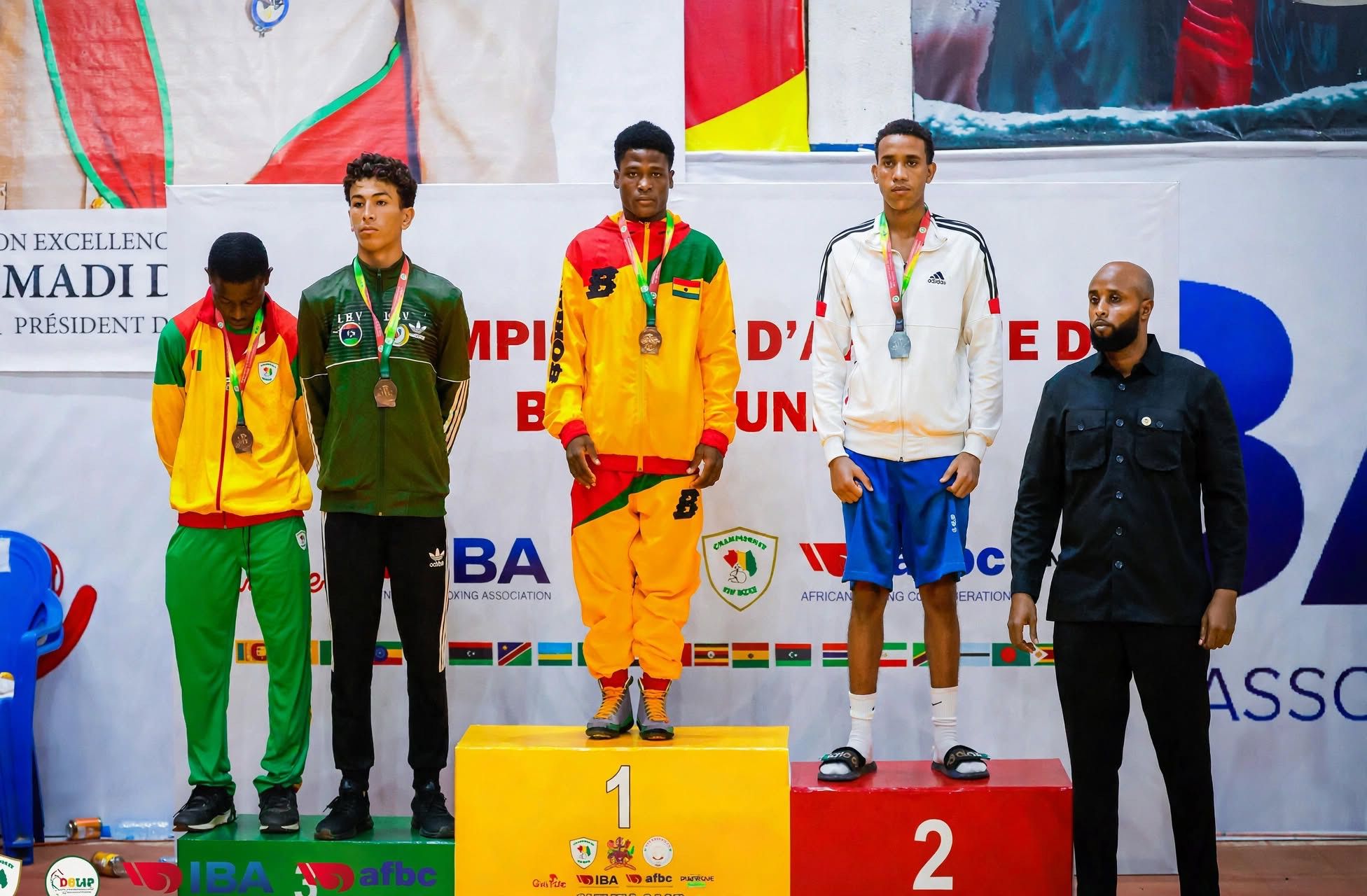
Our Olympic history proves it. Clement Quartey’s silver in Rome 1960, Ghana’s first-ever Olympic medal, was won as an amateur. Eddie Blay’s bronze in Tokyo 1964. Prince Amartey’s bronze in Munich 1972. They were not professionals chasing purses. They were amateurs wearing the Black Star with honor.
Since then? Silence. Over 50 years without an Olympic boxing medal. That is not a talent problem. That is a system problem.
Why Our Youth Needs This Now!
Let’s be honest about 2026. Unemployment pushes too many young men toward betting shops, tramadol, and quick-money schemes. In our zongos and coastal communities, idle youth is a national emergency.
Amateur boxing was our most effective youth intervention, and it cost almost nothing. A pair of gloves, a coach who cares, a community that believes.
Unlike football, boxing needs only heart. A trotro mate from Kumasi, a school dropout from Tamale, a skinny kid from Volta all can walk into a gym and be transformed in 12 months. It teaches how to lose with dignity, win with humility, control anger, and say no. As the old coaches say: “I didn’t just train boxers, I saved lives.”
We need that saving power back.
What Killed the Dream?
First, neglect. The amateur federation has been starved while money chases only pro bouts.
Second, the collapse of competitions. In the 70s and 80s, inter-schools and national championships were festivals. Today many amateurs fight only 3-4 times a year. You cannot build a champion on four fights.
Third, the rush to turn pro. Without support, talented 17-year-olds are pushed pro too early, arrive unprepared, and fade. The foundation of 80-100 amateur fights is gone.
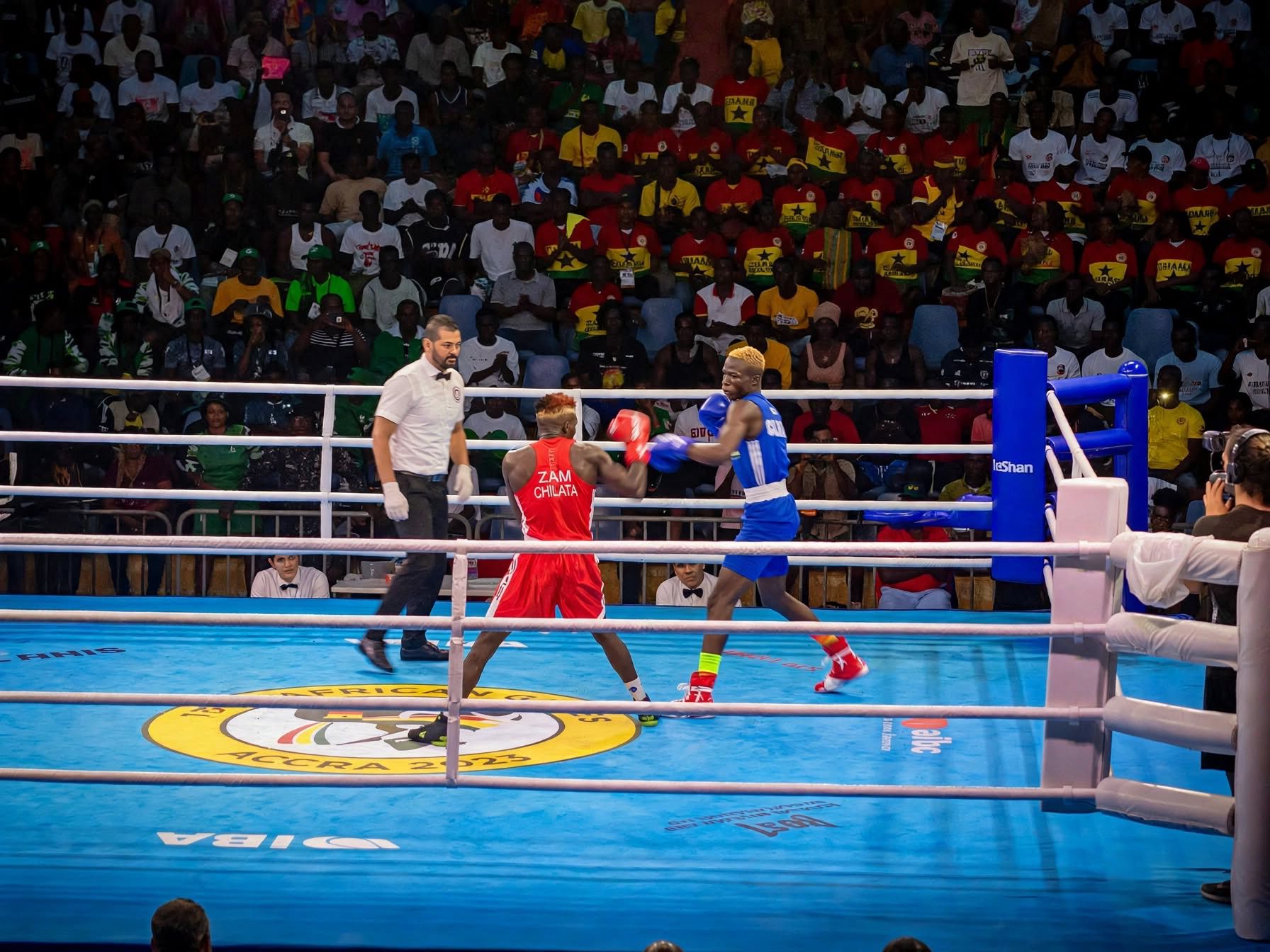
While Nigeria, Morocco, and Uzbekistan invest, we debate. The podium shows the result.
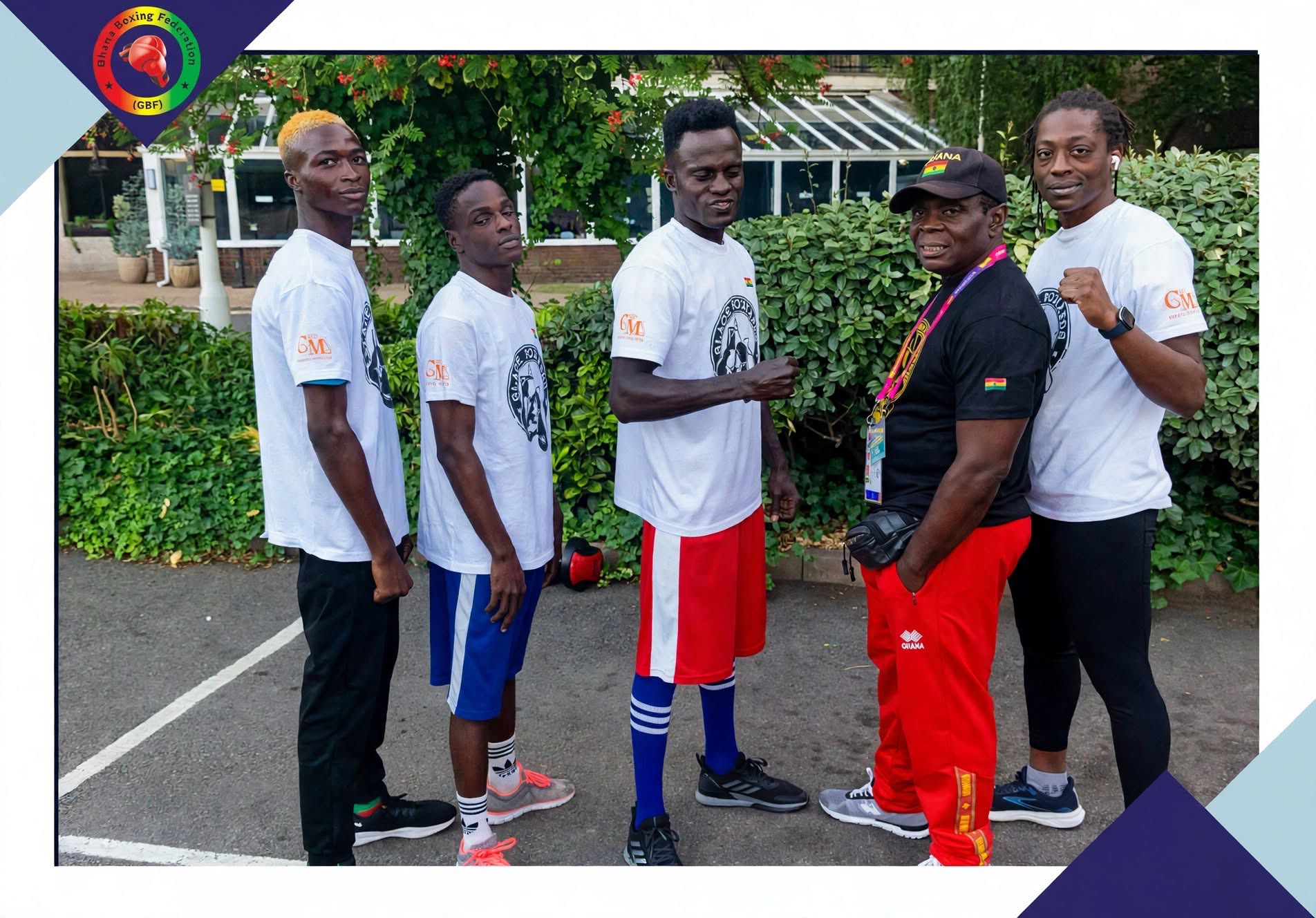
Blueprint for a Renaissance
A comeback is a plan, not a wish.
1. Rebuild grassroots gyms. Every region needs at least five functional amateur gyms with certified coaches. Let promoters and awards bodies adopt gyms and provide equipment and stipends.
2. Launch a National Amateur League. Monthly televised cards from Bukom Boxing Arena to Tamale would give boys regular fights, fans, and pride.
3. Put boxing back in schools. Partner with the GES to reintroduce safe, supervised boxing. The next Azumah Nelson is sitting in a JHS classroom right now.
4. Support the amateurs. A modest national allowance, funded by corporate Ghana and the diaspora, will keep talent amateur until age 19-20.
5. Honor the coaches. Create certification and a pension scheme for amateur coaches. When we honor the teacher, we save the student.
This is not charity. It is national development.
A Call to Ghana
To government: amateur boxing is cheaper than building prisons.
To corporate Ghana: sponsor a gym, not just a concert.
To the diaspora: the boy you save in Bukom today will lift Ghana’s flag tomorrow.
To our youth: the ring is still there. It has not forgotten you.
Amateur boxing gave us our first global respect. It gave Azumah Nelson his footwork, Ike Quartey his jab, Joshua Clottey his toughness. Before they were world champions, they were amateurs with dreams bigger than their circumstances.
We owe the next generation that same chance.
Let the bell ring again across Ghana. Not for nostalgia, but for survival. Our youth does not just want boxing. They need it.